
When homeowners think about pest control, their minds usually wander to interior traps, perimeter chemical sprays, or sealing up low-level foundation cracks. Rarely does anyone look up at the very edge of their roofline and consider it a primary battlefield against wildlife infestations. Yet, the roof eaves and rakes are among the most heavily targeted entry points for common household pests.
The primary defense mechanism at this critical intersection is the drip edge-an angled strip of metal flashing installed beneath the first row of shingles. While every roofing professional will tell you that a drip edge is vital for shedding water into your gutters and preventing wood rot, its secondary function as a pest barrier is heavily understated.
By bridging the structural vulnerabilities where your roof meets your walls, a durable metal flashing system acts as a physical shield. Here are four unlikely ways a properly installed drip edge keeps destructive and dangerous pests completely out of your attic.
1. It Seals the “Builder’s Gap” from Bats and Mice
During the construction of a standard home, a small intentional space is often left between the wooden roof decking sheets and the fascia board to allow for natural structural shifting and airflow. In the construction industry, this vulnerability is known as the “builder’s gap.”
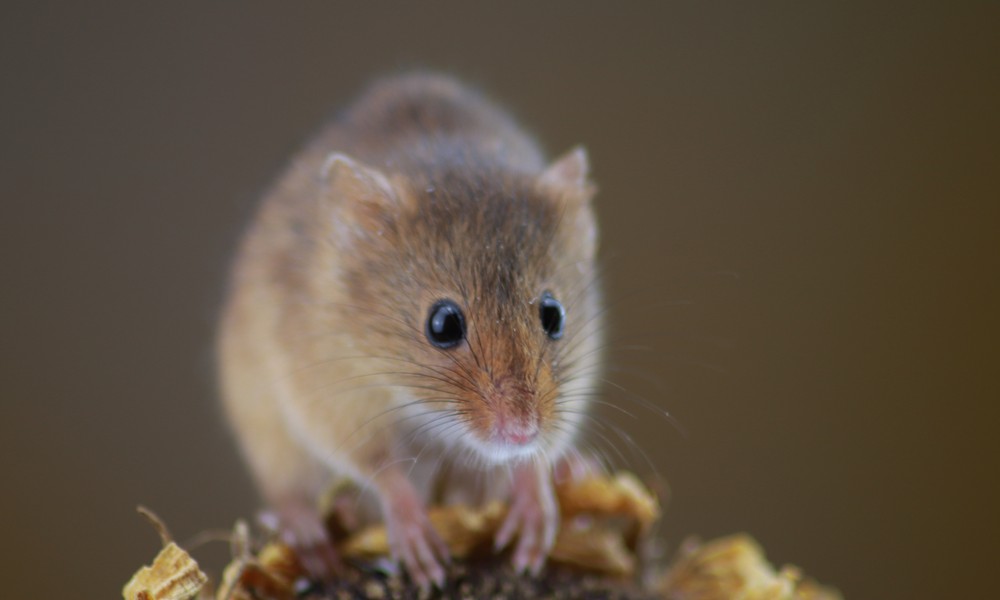
To a human on the ground, this gap is completely invisible behind the gutter line. To a mouse or a bat, it is an open welcome sign. A field mouse can compress its skeleton to squeeze through a hole no larger than a dime, while small brown bats only need a gap the size of a wedding ring to slip into your home. A drip edge features a wide metal flange that extends down over the top of the fascia board, effectively capping and sealing this gap along the entire perimeter of your home. By turning a soft, accessible opening into an impenetrable metal wall, it stops small animals from slipping inside.
2. It Prevents Rodents from Chewing New Entry Points
Mice, rats, and squirrels possess ever-growing incisor teeth that require them to constantly gnaw on hard surfaces. If they find a small, weathered crack in a wooden board, they will aggressively chew at the edges until the hole is large enough to accommodate their bodies.
Wood that has been softened by water runoff is exceptionally easy for these rodents to shred. Because a drip edge completely covers the vulnerable edge of the wooden roof deck and prevents rainwater from soaking into the fascia board, it keeps the home’s timber dry, hard, and resilient. Furthermore, rodents cannot chew through heavy-gauge aluminum or steel flashing. When a squirrel or rat tries to gnaw at the roofline and hits solid metal instead of soft wood, it quickly gives up and moves on to an easier target.
3. It Eliminates the Moisture That Attracts Carpenter Ants and Termites
Wood-destroying insects like termites and carpenter ants are rarely attracted to dry, structurally sound timber. Instead, scouts actively seek out wood that is damp, decaying, and plagued by fungal rot. Soft wood is much easier for carpenter ants to hollow out for their nesting galleries, and termites rely on the moisture content within water-damaged wood to survive.
Without a drip edge, water naturally “wicks” backward off the shingles, running down the face of your trim boards and pooling in the dark crevices behind your gutters. This creates a perpetual zone of damp rot that acts as a beacon for foraging insect colonies. By cleanly directing every drop of water forward into the gutter trough, a drip edge keeps your roofline bone-dry, rendering the area completely unhospitable to wood-boring pests.
4. It Denies Wasps and Hornets Hidden Nesting Voids
Stinging insects like paper wasps, yellowjackets, and hornets are constantly looking for high, protected, and warm voids to build their colonies. The dark space underneath an unshielded shingle line or inside a rotting soffit box provides an ideal environment.
When a roof lacks a drip edge, or when the flashing has warped and pulled away, it leaves small pockets of space between the shingles and the gutter. Wasps will quickly exploit these tiny caverns to construct hidden nests, creating a severe safety hazard directly over your walkways and entryways. A flush, professionally installed drip edge leaves absolutely no void space behind it. It creates a smooth, slick metal barrier where insects cannot find purchase, forcing queens to look elsewhere to establish their seasonal hives.
The Takeaway: Pest control is an all-encompassing task that requires securing your home from foundation to ridge cap. Investing in your roofline flashing isn’t just about managing rainwater; it’s a structural barrier that blocks wildlife from invading your living spaces.
If your home’s existing flashing is missing, rusted out, or pulling away from the wood, your attic is actively vulnerable to unwanted guests. Take a proactive step toward protecting both your home’s framing and your family’s health. Start your defense upgrade today by searching for a high-quality drip edge replacement near me to secure a tight, permanent metal barrier that keeps destructive pests exactly where they belong-outside.