
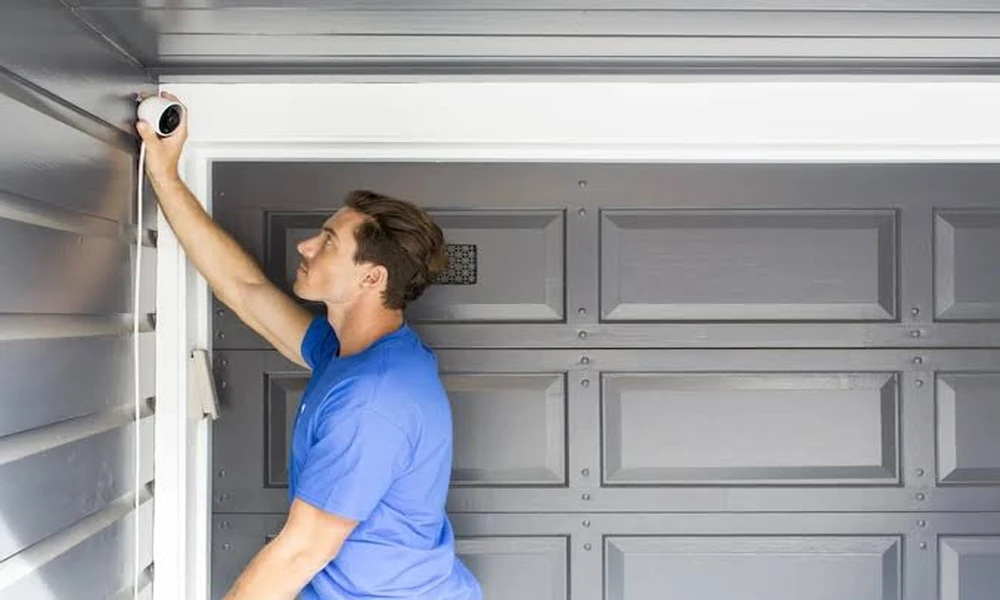
A new garage door opener promises convenience and security, but installing it isn’t always as straightforward as online tutorials suggest. While it’s tempting to tackle the installation to save money or for the satisfaction of a DIY job done, there’s more beneath the surface than most homeowners realize.
What Does Installing a Garage Door Opener Involve?
Installing a garage door opener isn’t just a matter of plugging in a new device. It involves working with heavy hardware, aligning complex mechanical parts, and ensuring electrical connections are safe and up to code.
How Do You Know If Your Garage Door Is Compatible?
Before you even think about installing an opener, you need to inspect your garage door. Most modern segmented doors are ready for openers, but if your door is an older, single-piece style, it may require replacement or modification. Skipping this check can lead to a nonfunctional installation and wasted hours.
What Are the Basic Steps to Install an Opener?
The installation process starts with mounting brackets to the door and securing the rail that guides the trolley. After that, you insert the trolley, connect the opener to its power source, and run a series of alignment and safety checks. Each step demands precision, mistakes here can lead to a malfunctioning system or even personal injury.
What Tools and Materials Will You Need?
Openers usually come with a kit, but you’ll still need a variety of tools:
– Power drill and bits
– Wrenches and sockets
– Level
– Stepladder
– Safety goggles and gloves
Not having the right tool at the right moment can grind installation to a frustrating halt.
What Are the Risks of Installing a Garage Door Opener Yourself?
The YouTube video may make it look simple, but the real-world risks quickly become obvious once you’re on the ladder.
What Safety Concerns Should You Be Aware Of?
Garage door systems are under high tension, especially torsion spring setups. Mishandling can result in hand injuries, dropped doors, or worse. Handling electrical wiring without experience adds another layer of risk, not just for the installer, but for anyone using the door afterward.
What Common Mistakes Can Compromise Installation?
It’s easy for a novice to misalign the tracks, fail to secure brackets properly, or neglect important safety sensors. Each shortcut increases the likelihood of the door not opening smoothly, reversing unexpectedly, or causing injury. And sometimes, the mistakes aren’t obvious until weeks later, when a loud crash signals that something has gone wrong.
When Should You Consider Hiring a Professional?
Some installations are more complicated than others, and certain scenarios make DIY attempts even less advisable.
How Does Garage Door Height Affect Installation Difficulty?
Tall or oversized garage doors require specialized mounting and careful calibration. An incorrectly balanced opener may burn out the motor or leave your door half-open, a major inconvenience and a security issue.
Are Certain Garage Door Types More Challenging?
Heavy solid-core doors, older wood models, and custom installations often involve unexpected complications. These jobs benefit from professional experience and the right tools brought in by trained installers.
What Are the Benefits of Professional Installation?
Hiring an expert isn’t just about offloading work, it’s about peace of mind.
How Does Professional Installation Ensure Safety and Reliability?
Professionals know how to correctly calibrate sensors, align tracks, and secure heavy parts. This reduces the chance of injury and ensures smooth operation. They’re also trained to recognize structural issues you might miss, preventing future problems before they start.
What Warranties and Guarantees Do Professionals Offer?
A reputable service typically includes a warranty on both equipment and labor. If something goes wrong, you’re covered, no frantic calls to the manufacturer or repeat trips to the hardware store. This warranty brings lasting peace of mind, especially for something as vital as your home’s main entry point.
How to Choose the Right Garage Door Opener Model
Not every opener is created equal, and some are far better suited to your needs than others.
What Features Should You Look For?
Consider weight capacity, noise level, smart-home compatibility, and backup power options. If you have a heavy door or value quiet operation, look for belt-driven openers. Live in a storm-prone area? Battery backup could be a lifesaver.
How Do Different Opener Types Compare?
| Opener Type | Noise Level | Lifting Power | Price Range | Ideal For |
|—————-|————|—————|————-|—————————-|
| Chain Drive | High | High | $$ | Heavy doors, durability |
| Belt Drive | Low | Medium-High | $$$ | Living spaces above garage |
| Screw Drive | Medium | Medium | $$ | Mild climates |
| Direct Drive | Low | Medium | $$$ | Quiet, modern installations|
What to Expect During a Professional Installation Service
If you hire a professional, what actually happens on installation day?
How Do Professionals Prepare and Execute the Installation?
Certified techs start with a thorough inspection of your existing setup. They check door compatibility, measure clearances, and plan hardware placement. Installation itself is methodical: mounting, wiring, programming remotes, and checking every safety sensor. Before leaving, they’ll test the entire system repeatedly to ensure flawless operation.
How Long Does the Installation Typically Take?
Most residential jobs take between two and four hours, provided no major surprises arise. An experienced team keeps disruptions minimal and leaves your space cleaner than they found it.
How to Maintain Your Garage Door Opener After Installation
Even the best opener needs regular attention to keep working smoothly.
What Regular Maintenance Tasks Are Recommended?
Lubricate moving parts twice a year, check sensor alignment, and test the auto-reverse feature regularly. Tighten loose bolts and keep the tracks clear of debris. Catching small issues early can save money and headache down the line.
How Can You Troubleshoot Common Issues?
If the door stops responding, check the power source, replace remote batteries, or verify sensor alignment. For persisting problems, professional help is just a call away, especially if your unit is still under warranty.
Experts often recommend seeking out resources like Door Doctor garage door opener installation when you want a hassle-free, guaranteed result. Saving a few dollars with a DIY job is tempting, but with something as important (and potentially dangerous) as a garage door opener, the smart money is on experience, safety, and peace of mind.