
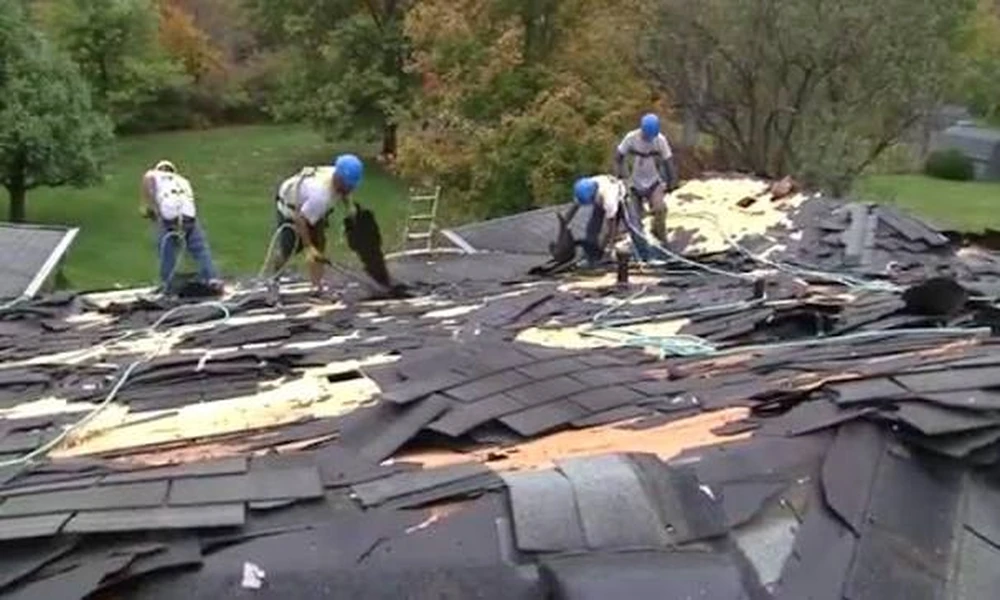
Ask three homeowners what they would do with a worn-out roof and at least one will suggest skipping the demolition. Lay new shingles right over the old ones, save the dumpster fee, and be done in half the time. It sounds sensible, and in some parts of the country it is common practice. In California, though, the building code has a lot to say about when that shortcut is allowed, and the answer depends heavily on what is already up there.
Installers who have handled roof replacement in Livermore for decades tend to settle this question within minutes of walking the attic. At Moran Roofing, a family company where some crew members have stayed for twenty years and the owners hold one of CertainTeed’s highest installer credentials, the overlay conversation usually ends with a look at the sheathing, the existing layers, and the original material. The reasons behind that call are worth knowing before any contract gets signed.
The Appeal of Going Over the Top
An overlay, sometimes called a recover, places a fresh layer of composition shingles directly on an existing one. Nothing gets torn off, so there is less labor, less debris to haul away, and less exposure if an unexpected storm rolls through mid-project. For a simple single-story ranch with one sound layer of shingles, the savings can be real.
The catch is everything an overlay hides. New shingles sit on top of old ones that have already curled and cupped, so the surface rarely lies perfectly flat. The extra layer adds weight and holds more heat, which can shorten the life of the new shingles during long inland summers. Most importantly, nobody gets to see the deck. Soft plywood, old leak damage, and rusted nails stay buried until they cause the next problem.
What the Code Actually Allows
California’s reroofing rules trace back to the International Code Council’s model codes, and the reroofing section of the International Residential Code lays out the same basic test Livermore inspectors apply. A new covering cannot simply go over the old one, and every existing layer must come off down to the deck, in three situations.
- The current roof is water soaked or too deteriorated to serve as a base.
- The existing covering is wood shake, slate, clay tile, cement tile, or asbestos-cement tile.
- The roof already has two or more layers of any kind.
There are narrow exceptions, such as standing-seam metal systems that carry their own load to the structure, or certain tile and metal products installed over old shakes when the shake surface is first covered with approved fire-resistant board. For the typical Tri-Valley home, though, the list above covers most of the ground. A house that was already overlaid once, or one sitting under concrete tile, is headed for a full tear-off whether the owner likes it or not.
Where Tear-Off Earns Its Cost
Removing the old roof turns a blind job into an informed one. Once the covering is gone, the crew can see every sheet of decking, replace the sections that have gone soft, and renail anything that has worked loose over the years. Damaged flashing gets replaced rather than buried, and the code itself prohibits reinstalling vent flashing, metal edging, or counterflashing that is rusted or deteriorated.
Tear-off also exposes one of the most common surprises in older valley neighborhoods. Many homes built in the mid-twentieth century originally carried wood shakes nailed over spaced boards, known as skip sheathing, with gaps between each board so the shakes could breathe. Composition shingles and modern underlayment need a solid surface, so converting one of these roofs usually means laying new structural panels over the old boards. That adds cost, but it is far better discovered on day one than guessed at in the bid.
Tile roofs bring their own wrinkle. Existing clay or cement tile can be reinstalled on a fresh underlayment, which lets an owner keep a familiar look and cut material costs, but any tile that is cracked or broken cannot go back on. A careful crew sorts and stacks the good tile during removal so the count is clear before new pieces are ordered.
How a Typical Replacement Unfolds
Every job differs, yet most full replacements on a single-family home follow a similar rhythm.
- The permit is pulled before work starts, along with any required paperwork for the city.
- The crew protects landscaping, windows, and the driveway, then strips the roof in sections so the house is never left wide open overnight.
- With the deck exposed, damaged sheathing is replaced, and where the old roof was removed the city inspects the new sheathing before anything covers it.
- Underlayment, flashing, drip edge, and ventilation components go on, followed by the new roofing material.
- A final city inspection closes out the permit.
Two small details catch homeowners off guard. Livermore inspects smoke and carbon monoxide detectors on residential reroofs, or accepts a signed certificate of compliance instead, so it pays to check those devices ahead of time. Inspectors also need safe access, which means a proper ladder extending at least three feet above the roof edge on inspection day.
Choosing What Goes Back On
Once the old roof is off, the material question opens up. Composition shingle remains the most common choice for its price and range of colors. Concrete tile offers a long lifespan but weighs two to three times as much as shingle, so switching to tile often requires an engineering check on the framing. Standing-seam metal is lighter still and sheds heat well, though it carries a higher upfront price.
Whatever the material, two California requirements shape the shopping list. Replacement roofs on many inland homes must meet cool roof standards for solar reflectance, which narrows color and product options, and the city publishes separate guidance on exactly how that applies to residential reroofs. Fire performance matters as well, particularly near the grassy hills that ring the valley, where a Class A rated assembly gives the strongest protection against wind-blown embers.
Weighing the Two Paths Honestly
An overlay can still make sense in a narrow set of circumstances. A single layer of flat, dry shingles over solid sheathing, on a home the owner plans to sell within a few years, may be a reasonable candidate if the code and the manufacturer both permit it. It is a budget decision, and a legitimate one.
For most owners planning to stay put, tear-off is the better investment. It resets the roof to a known condition, catches hidden damage while it is still cheap to fix, and gives the new material the full lifespan the manufacturer intended. The extra day of work and the extra dumpster tend to look small compared with tearing off two layers instead of one when the next replacement comes due twenty years down the road.