
Boxelder bugs may not bite, sting, or damage your home’s structure. However, they are still not welcome in any home. These pests usually appear in large numbers and can be hard to eliminate once inside. Homeowners across St. Louis may notice boxelder bugs appearing in or around their houses during the fall. But their attraction to certain homes starts before this. Homeowners should understand what draws boxelder bugs to their property, so they can take steps to keep them away. Also, pest control in St. Louis will help prevent a seasonal invasion.
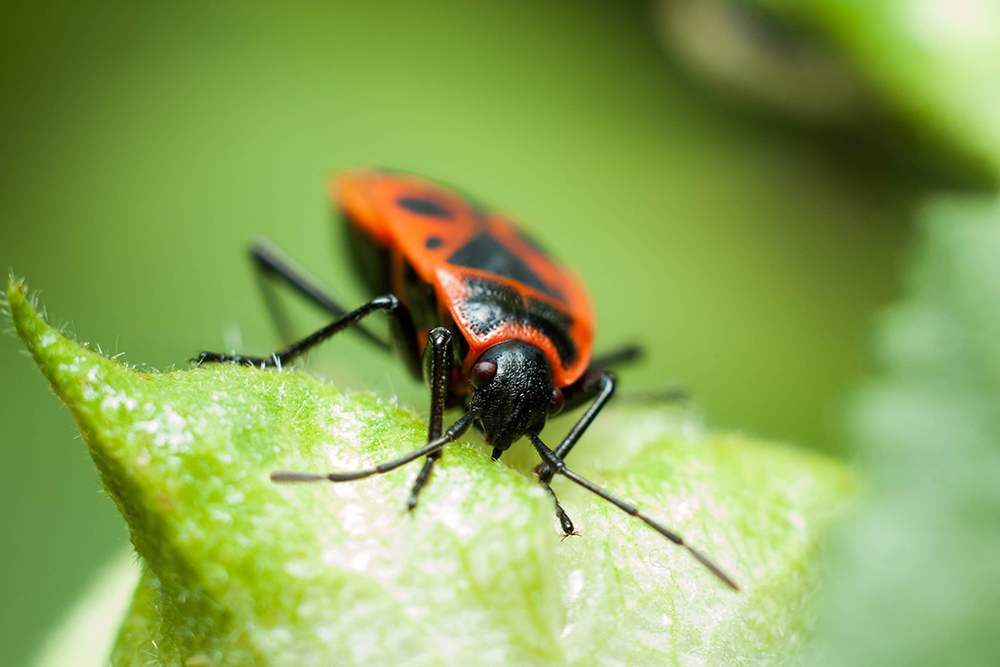
Boxelder bugs are black with reddish-orange markings on their wings and bodies. They grow to about half an inch long. They are often seen crawling on walls, siding, and windows. They do not harm people or pets. But their large numbers and foul smell when crushed make them a serious nuisance.
These insects are named after the boxelder tree, which is a common tree found throughout St. Louis and the Midwest. Boxelder bugs are most active during the warmer months, but become a problem in the fall as they search for a place to spend the winter. Below are the major draws for these pests:
Boxelder Trees and Seed-Bearing Plants
Boxelder bugs are naturally attracted to boxelder trees, especially female trees that produce seeds. They also feed on maple and ash. If you have any of these trees on or near your property, you may attract these bugs during spring and summer.
In spring, the bugs feed on tree leaves, flowers, and seed pods. As they grow and reproduce, they gather in large groups. Having boxelder trees in your yard doesn’t always lead to an infestation, but it increases your chances of seeing these pests as the seasons change.
Warm Surfaces and Sunny Walls
Boxelder bugs love warmth, especially as temperatures drop in late summer and early fall. In St. Louis, they can be found on the south and west sides of buildings because these walls get the most sun throughout the day. Brick, stone, and vinyl siding absorb heat, making them the perfect resting spot for these cold-sensitive insects.
Once gathered on the outside of your home, boxelder bugs look for cracks, gaps, and openings to enter homes. They often enter through attic vents, loose siding, window frames, and door gaps.
Cracks and Gaps in Your Home’s Exterior
Homes that have small openings around windows, doors, or foundations may see boxelder bugs indoors. These pests are small and flat, which makes it easy for them to squeeze through tiny spaces.
When fall arrives, boxelder bugs search for a sheltered place to survive the cold. They can slip inside and keep themselves out of sight once they find a small gap. Once inside, they go into a hibernation-like state but may become active again on warmer winter days.
Light-Colored Homes and Bright Windows
Boxelder bugs are sometimes drawn to lighter-colored homes or buildings with large windows. This is because these features reflect more sunlight and stay warmer during the day. They may be more drawn to homes with white or beige siding and large sun-facing windows.
Attracted by warmth and light, boxelder bugs may gather on windowsills or near light fixtures. They do not usually cause physical damage, but their presence in living spaces can be unsettling.
Why DIY Methods Often Fail
Many homeowners in St. Louis deal with boxelder bugs using sprays or traps. But these solutions only offer short-term relief. Since these pests often live in hard-to-reach areas, surface-level treatments rarely get rid of the entire group. Additionally, crushing them can release a foul odor and leave stains on walls or furniture.
That’s why professional pest control is often the best option for long-term control. Pointe Pest Control in St. Louis, MO offers expert help for homeowners dealing with boxelder bugs. Their trained technicians can find out how these pests enter your home and use targeted treatments to stop the infestation at the source. They also offer preventative solutions to help keep bugs from coming back each year.